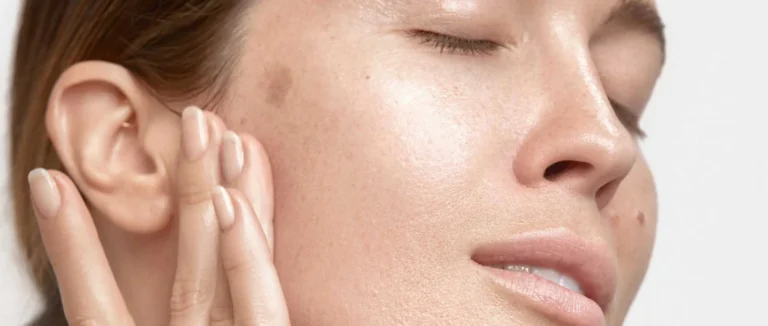
What Is Uneven Skin Tone: Everything You Want To Know

Nearly one-third of Americans experience uneven skin tone, manifested as dark spots, blotchiness, redness, sun spots, and post-inflammatory hyperpigmentation (PIH). These variations can affect confidence, self-esteem, and skin health. Common causes include melasma, sun exposure, hormonal fluctuations, and inflammation. This guide combines dermatologist-backed insights, practical daily routines, professional treatments, and lifestyle strategies to help readers achieve balanced, bright, and healthy skin, all tailored to the U.S. skincare market. Melanin, produced by melanocytes, determines skin color. Overproduction or underproduction leads to dark spots, blotches, and uneven tone. “Understanding how melanin overshoot or underproduction drives uneven tone is key to selecting effective treatments,” notes Dr. Kopelman. UV exposure, inflammation, and hormonal changes disrupt pigmentation. Awareness of these mechanisms enables individuals to choose tone-correcting serums, retinoids, and sun protection strategies for long-lasting results.
 Consistency is key. Recommended routines:
- Understanding melanin and its role in skin color
- Daily habits that prevent skin discoloration
- Expert-backed approaches for hyperpigmentation treatment
What Is Uneven Skin Tone?
Uneven skin tone occurs when the skin exhibits darker or lighter patches, creating an inconsistent appearance. These variations may stem from melanin irregularities, post-inflammatory hyperpigmentation, sun exposure, or hormonal changes. Understanding these causes allows for effective treatment selection rather than temporary masking, helping individuals restore confidence and complexion clarity naturally.Dermatologist Quote: “Uneven skin tone reflects deeper skin health issues, not just surface appearance,” explains Dr. Hannah Kopelman.- Sign of pigmentation imbalance
- Reflects deeper dermatological issues
- Requires targeted, expert-recommended skincare routines
Why It’s a Concern in the U.S.
Uneven tone affects Americans across all ethnicities and age groups. Dermatologists report increased patient inquiries regarding dark spots, sun damage, and PIH. The U.S. hyperpigmentation treatment market is expanding due to demand for safe, science-backed solutions, such as brightening serums, retinoids, and professional procedures. Recognizing the social, aesthetic, and psychological impact of skin discoloration encourages Americans to adopt evidence-based approaches for long-term skin health.Dermatologist Quote: “Patients often underestimate how much uneven tone affects confidence,” notes Dr. Laura Scott.- Impacts social confidence and well-being
- Drives innovation in OTC and professional treatments
- Highlights the importance of USA-focused skincare solutions
How Melanin & Pigmentation Work
 Melanin, produced by melanocytes, determines skin color. Overproduction or underproduction leads to dark spots, blotches, and uneven tone. “Understanding how melanin overshoot or underproduction drives uneven tone is key to selecting effective treatments,” notes Dr. Kopelman. UV exposure, inflammation, and hormonal changes disrupt pigmentation. Awareness of these mechanisms enables individuals to choose tone-correcting serums, retinoids, and sun protection strategies for long-lasting results.
- Melanin regulates skin color
- Imbalance triggers dark spotsand blotchiness
- Knowledge empowers better skincare routines
Main Triggers: Sun, Hormones, Inflammation & Lifestyle
Sun exposure is the primary contributor to uneven tone, with UVA and UVB rays stimulating melanin production, causing sun spots and age spots. Hormonal changes, acne, inflammation, and lifestyle factors such as diet, stress, and pollution exacerbate skin discoloration. Identifying triggers is crucial for preventing new dark spots and managing existing ones.- UV radiation drives melanin overproduction
- Hormonal shifts can cause melasma
- Lifestyle factors amplify uneven pigmentation
Signs & When to See a Dermatologist
Persistent dark spots, blotches, or uneven skin tone may indicate deeper skin issues. Dermatologists recommend seeking professional care when OTC treatments fail. “If discoloration persists for weeks, it’s crucial to consult a dermatologist,” advises Dr. Kopelman. Professional evaluation ensures accurate diagnosis, safe treatment plans, and customized skincare strategies, preventing worsening conditions while optimizing tone-correcting results.How U.S. Pros Diagnose Tone Issues
U.S. dermatologists use Wood’s lamp, dermoscopy, and digital imaging to differentiate superficial pigmentation from deeper melanin deposits. Accurate diagnosis allows safe, targeted hyperpigmentation treatments.Dermatologist Quote: “Precision diagnostic tools allow for targeted care, particularly for melanin-rich skin prone to PIH,” notes Dr. Scott.- Accurate diagnosis ensures effective hyperpigmentation treatment
- Essential for melanin-rich skin
- Guides selection of professional procedures
Daily Skincare Essentials for Even Tone
 Consistency is key. Recommended routines:
- Morning:gentle cleanser + Vitamin C brightening serum + tinted SPF
- Evening:retinoids for hyperpigmentation + niacinamide + moisturizer
- Builds resilient skin barrier
- Gradually brightens and evens tone
- Prevents new dark spots
Top OTC Actives That Work
- Powerful OTC ingredients include:
- Vitamin C– antioxidant, brightens
- Niacinamide– reduces redness
- Azelaic Acid– gentle pigment corrector
- Retinoids– accelerates skin turnover
Professional Treatments: Safe & Effective
Persistent pigmentation may require:- Chemical peels– surface tone reset
- Laser therapy– deep pigment correction
- Microneedling– collagen stimulation
Natural & At-Home Enhancements
Gentle, supportive remedies can complement science-backed care.- Turmeric-based serums
- Aloe vera & green tea extracts
Lifestyle Support: Diet, Hydration & Habits
Internal care enhances external results. Adequate hydration, antioxidant-rich foods, and stress management contribute to skin clarity and long-term pigmentation balance.- Enhances topical treatments
- Promotes overall skin health
- Supports tone correction over time
Cost of Treatment in the U.S.
- OTC creams/serums: $20–80/month
- Prescription topicals: $50–200/month
- Peels: $150–300/session
- Laser/microneedling: $500–1,500/session
Empowering Expert Insights
Dermatologists and Esthetician emphasize:- Blending science with simplicity
- Focus on SPF, tranexamic acid, and retinoids
- Preventing sun spots, PIH, and blotchiness
FAQs (Snippet-Friendly)
Many readers have questions regarding uneven skin tone. Addressing these improves snippet visibility and AI search optimization.Dermatologist Quotes: Dr. Kopelman and Dr. Scott emphasize that consistent care plus professional guidance leads to visible improvement.Q&A:Q: Can uneven tone be corrected? A: Yes, with a consistent routine, tone-correcting products, and dermatologist guidanceQ: How long to see results? A: OTC: 4–12 weeks; professional treatments: fasterQ: Who is most affected? A: Individuals with melanin-rich skin need more consistent protectionQ: Are natural remedies effective? A: They can complement treatments but science-backed skincare is essentialConclusion & Next Steps
Uneven skin tone is manageable with brightening serums, retinoids, Niacinamide, SPF, hydration, diet, and professional guidance. A tailored, consistent routine ensures balanced, radiant, and healthy skin.Dermatologist Quote: “With a consistent, tailored approach, most patients can see significant improvement in tone and texture,” says Dr. Kopelman.Action Steps:- Establish morning/evening routine
- Use OTC actives with SPF daily
- Consult dermatologists for persistent pigmentation
- Support with hydration, antioxidants, and stress management